

Formula 1 returns to Austin’s Circuit of the Americas from October 22–25, 2026 and if you think it is just a race weekend, you have not seen it from inside the system.
For fans, COTA is Turn 1, concerts, paddock sightings, race-day outfits, celebrity rumors, and the kind of Texas-sized chaos that turns a sporting event into a full cultural takeover. For brands, it is one of the most valuable attention markets in American sports. For creators, it is a content gold rush. And for the journalists filing copy from the media center while the grandstands are still roaring, it is a different kind of endurance race.
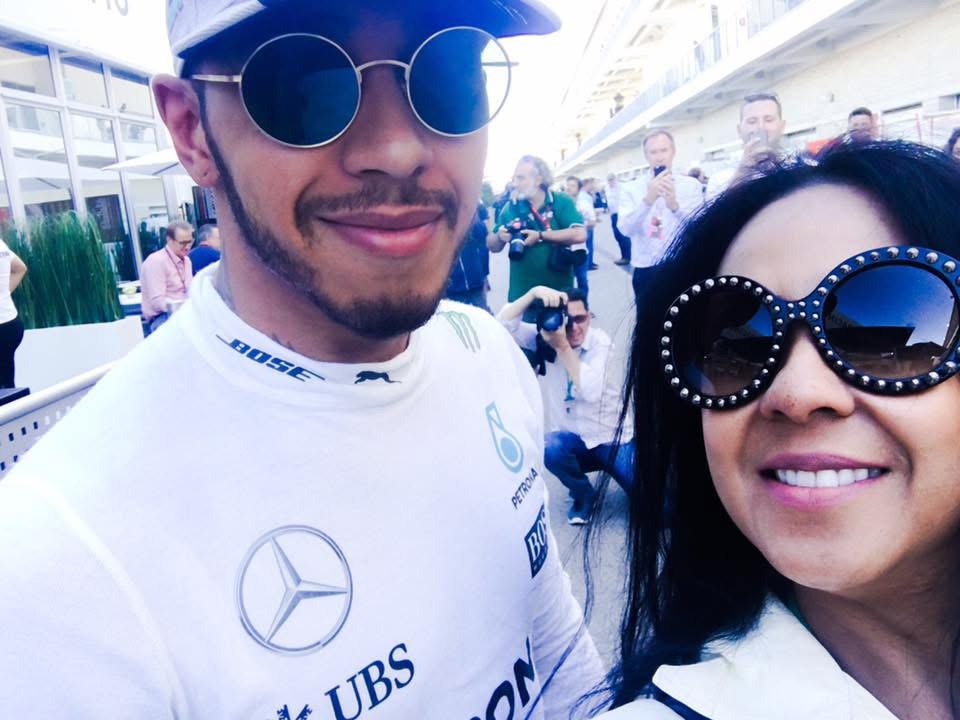
I have covered Formula 1 across multiple seasons at COTA as an accredited journalist. I have worked from the media center, walked the service roads, chased deadline after qualifying, and watched Austin become one of Formula 1’s loudest, most commercially powerful stops on the calendar.
The noise is not the story.
The story is who gets access to the noise and what they do with it.
F1 Austin 2026 at a glance
Event: Formula 1 United States Grand Prix
Location: Circuit of the Americas, Austin, Texas
Dates: October 22–25, 2026
Grand PrixView Thursday: October 22
COTA’s 2026 weekend is not a casual Austin event you decide to attend on Friday afternoon. It is a full-scale operation: travel, tickets, weather, logistics, hospitality, fashion, creator partnerships, on-track action, concerts, and a citywide race to secure the best tables, hotel rooms, rides, and brand invites.
If you are planning to attend, cover, or activate around Formula 1 Austin, consider this your reality check before race week.
The first thing you learn with a COTA credential
The first thing you learn with a Circuit of the Americas press credential is that the noise is not the story.
Yes, the cars are violent in person. The engines cut through the Texas air. The crowd at Turn 1 becomes its own weather system. The grid walk is theatrical. The paddock is a blur of team uniforms, broadcast cameras, driver entourages, hospitality guests, security, and people trying very hard to appear as though they belong there.
But the real story is the system around all of it.
Who gets into the paddock? Who waits at the fence? Who gets the driver quote? Who gets a selfie? Who gets invited to hospitality? Who is trying to publish before the next session starts? Who is watching the race from the grandstands, and who is watching it from a media-center monitor while writing the first version of history before the checkered flag is even cold?
That is Formula 1 at COTA.
It is sport, yes. It is also entertainment, luxury, celebrity, fashion, technology, tourism, and one of the biggest access economies in the world.

Why F1 Austin 2026 feels different
Austin has always known how to turn a major event into a citywide conversation. But Formula 1 is no longer an interesting international event that happens to visit Texas once a year.
It is infrastructure.
The 2026 United States Grand Prix arrives during Formula 1’s new technical-regulations era, when the sport’s cars, performance assumptions, team strategies, and competitive hierarchy are all being rewritten in real time. That changes the reporting. It changes the fan conversation. It changes which drivers arrive under pressure, which teams have momentum, and which brands want to be attached to the story.
The 2026 event also expands beyond the standard Friday-to-Sunday rhythm. Grand PrixView Thursday gives fans an earlier entry point into the weekend, with programming and F1 Academy activity before the traditional Formula 1 sessions begin.
That may sound like one extra day on a schedule. In Austin, it changes the energy of the entire week.
Thursday becomes the soft launch: the day for early arrivals, content capture, hospitality check-ins, first looks, creator events, fan activations, and the people who understand that the best Formula 1 weekend stories often happen before the main race crowd fills the circuit.
By Friday, the race has started but Austin has already been talking about it for days.
Turn 1 is still the truth serum
Every Circuit of the Americas conversation eventually comes back to Turn 1.
The climb is one of the most iconic visual moments in Formula 1. Fans see the hill and immediately understand why it matters. It is dramatic, steep, loud, and built for the kind of opening-lap uncertainty that makes people stand up before they realize they are doing it.
Drivers talk about grip, wind, braking, balance, temperature, and confidence. Fans talk about the climb.
From the press side, Turn 1 is also a truth serum.
Before the polished post-race quotes arrive, before the social clips are edited, before the team radios become viral sound bites, the opening sector begins to reveal what a car is actually doing. Is it settled? Is it nervous? Does the driver trust the rear? Is the car behaving under braking? Is a team hiding a problem, or is its pace real?
That is the difference between watching Formula 1 and reporting Formula 1.
A viral clip can show the pass. The work is explaining why it happened.
Inside the COTA media center
The media center is where the weekend happens twice.
The first version takes place on track: practice, qualifying, grid penalties, strategies, tire degradation, radio messages, driver reactions, and the split-second decisions that can reshape a race.
The second version happens in the copy.
That is where reporters compare notes, chase confirmations, pull the most important quote from a crowded pen, translate comments, follow late-breaking team news, and file while the next session is already beginning.
Social media is now part of the job. It is essential distribution, fast reaction, visual storytelling, community building, and an increasingly important way fans discover coverage.
But social clips are not the reporting layer.
The reporting layer is still the work that happens before the clip: showing up, understanding the rules, asking the better question, reading the room, recognizing what is missing from the official line, and knowing that the most useful sentence is often not the posed quote created for cameras.
It is the sentence a driver gives when a session is over, the storyline has not hardened yet, and everyone is moving quickly enough that the truth slips out.
Having reported around driver and team environments involving names such as Carlos Sainz and Max Verstappen, I know that Formula 1 access can look glamorous from the outside. It is not a free pass to post content. It is a responsibility to observe, verify, and report with context.
Access is not content. What you do with access is the content.

The two Austins of Formula 1
Formula 1 has created two Austins.
There is the official Austin:
The Paddock Club. Private hospitality. Luxury hotel takeovers. Brand dinners. Team events. Rooftop parties. Guest lists. Credential lines. Private shuttles. People arriving in black SUVs with no intention of waiting for a rideshare.
Then there is the other Austin:
The one trying to get a dinner reservation. The one watching hotel prices surge. The one deciding whether Turn 1 is worth the hill. The one creating content from general admission. The one working in hospitality. The one getting a last-minute brand brief. The one paying attention to which restaurants, bars, hotels, boutiques, and local businesses are about to become impossible to enter.
That second Austin matters just as much.
It includes creators who are not issued a media vest but still shape the online conversation. It includes small businesses serving visitors. It includes local fans who remember when the race was still new. It includes bilingual audiences who do not need Formula 1 explained to them, they need coverage that actually speaks to them.
That is the Austin beat.
And that is where the most interesting stories live.
The bilingual advantage Formula 1 still needs
Formula 1’s American growth story is often told in English, through a very narrow lens: celebrity, luxury, streaming, and spectacle.
But Austin is bilingual if you let it be.
I work in English and Spanish, with Italian as a third professional language. That is not a branding accessory. It is part of the reporting.
It changes who you can speak with. It changes how you understand international coverage. It changes the audience you reach. It matters when drivers, traveling crews, international media, global brands, and Latino fans are all moving through the same paddock ecosystem.
The Latino Formula 1 audience in the United States is not a niche afterthought. It is a major cultural conversation that deserves coverage with fluency, nuance, and respect.
The best F1 coverage is not just loud. It is legible to the people who actually love the sport.
That means more than translating captions.
It means understanding the emotional connection fans have to drivers, nationality, language, motorsport history, family traditions, fashion, travel, and the cultural pride that comes with seeing Formula 1 grow across the Americas.
What first-time COTA fans get wrong
If you are attending Formula 1 at COTA for the first time, here is the advice no one gives you early enough:
COTA is bigger than it looks online
The circuit is not a quick stroll between “a few cool spots.” A full race day can mean serious walking, changing temperatures, crowded pathways, long waits, and a phone battery that dies right when you finally find the perfect shot.
Wear the shoes.
Bring the charger.
Plan your viewing area before the crowd does it for you.
Turn 1 is iconic but commit to it
Turn 1 is worth seeing. It is also one of the most popular places to be. If it is your priority, arrive early and understand that you are choosing the experience over convenience.
Do not expect to casually drift from Turn 1 to every activation, every food line, every merch tent, every concert moment, and every other viewing area without losing time.
The best COTA day has a plan.
Thursday may be the smartest day to attend
Grand PrixView Thursday is your chance to experience the circuit before the core Friday-to-Sunday race crush. It is particularly valuable if you want a more relaxed entry into the event, fan programming, F1 Academy activity, or content without immediately being swallowed by peak-weekend traffic.
Austin logistics become part of the race
Race weekend does not stay at the circuit.
It affects hotel rates, restaurant availability, travel time, rideshare costs, nightlife, brand events, airport traffic, and the general energy of the city.
Choose your version of the weekend in advance:
A track-first weekend for the racing.
A hospitality-first weekend for events and networking.
A creator-first weekend for content and activations.
An Austin-first weekend that balances COTA with food, culture, and nightlife.
Trying to do every version at once is how you spend Formula 1 weekend in traffic.
Creator access versus media access
This is where Formula 1 gets complicated.
A fan ticket is not a media credential.
A hospitality invitation is not a press pass.
A creator campaign is not a paddock credential.
A photo in front of the garages is not the same as reporting from the paddock.
None of those forms of access are inherently better or worse. They are simply different and pretending otherwise is where the coverage gets messy.
Creators have enormous value during Formula 1 weekend. They show people what it feels like to attend. They capture fashion, food, travel, fan culture, beauty, nightlife, brand activations, local business, and the parts of the weekend that traditional race reporting can miss.
But the strongest creators are transparent about their point of view.
If you are creating from general admission, own it. If you are hosted by a brand, disclose it. If you are in hospitality, show the hospitality experience. If you are credentialed as media, report with the responsibility that comes with it.
Formula 1 audiences are smarter than brands sometimes assume.
They can tell the difference between a real story and a borrowed backdrop.

What brands should understand about F1 Austin
Brands do not need more random Formula 1 content.
They need people who understand the context.
Austin race week sits at the intersection of sports, luxury, entertainment, hospitality, tourism, fashion, celebrity, technology, and creator culture. A polished event photo is not a strategy. A last-minute influencer invite is not necessarily a campaign. And putting an F1 logo next to a luxury product does not automatically create relevance.
The best F1 Austin campaigns answer a simple question:
What story does your brand have a right to tell here?
For a hospitality group, that may be the visitor experience before and after the circuit.
For a destination account, it may be Austin beyond the grandstands.
For a luxury brand, it may be style, service, mobility, beauty, wellness, or private-client culture.
For a newsroom, it may be a bilingual, locally rooted story about the people and economy behind the weekend.
For a creator platform, it may be translating a global sporting event into content that feels culturally native to its audience.
That is where I work: between the paddock and the city, between English and Spanish, between the official event and the real Austin experience around it.
What I pack for a 12-hour COTA reporting day
Formula 1 style is part of the event. But a COTA workday is still a workday.
You need to look polished enough for the media center, a brand meeting, a paddock interview, or a camera moment while being prepared to walk, sweat, wait, pivot, work outside, and keep moving long after the ideal outfit would have given up.
Here is what I actually prioritize for a full day at the track.
| Essential | Why it matters at COTA | What I look for |
|---|---|---|
| Oversized tailored blazer | Instantly sharpens a simple tee or fitted tank for the media center, interviews, and on-camera moments | Breathable fabric, wrinkle resistance, interior pockets |
| Polarized sunglasses | Austin glare off the asphalt is real, especially during long outdoor transitions | Polarized lenses, UV protection, a secure fit |
| Elevated leather sneakers | You may walk far more than you planned | Cushioned support, neutral color, broken-in fit |
| Structured mini crossbody | Keeps essentials secure without carrying a bag that becomes annoying in crowded spaces | Room for credential, recorder, phone, charger, SPF, and lip product |
| High-performance SPF | You can be outdoors for hours, even on a day that begins in the media center | Broad-spectrum protection, lightweight texture, easy reapplication |
| Hydrating facial mist | Air conditioning, heat, dust, cameras, and long days can show up on your skin | Travel-friendly, non-sticky, makeup-compatible formula |
| Portable charger | Your phone is your camera, ticket, notebook, map, contact list, and publishing tool | Fast charging, compact build, dependable cable |
| Refillable water bottle | Hydration is not optional during a Texas race weekend | Leak-proof, lightweight, easy to carry |
| Packable weather layer | Austin weather can change fast enough to ruin an otherwise perfect outfit | Light, breathable, compact, neutral enough for photos |
The goal is not to dress like you are going to a costume party called “Formula 1.”
The goal is to look like you belong in every room the weekend takes you into.
Shop my COTA trackside edit
My Formula 1 COTA trackside edit is built for creators, fans, working media, and anyone who wants their race-weekend look to survive the actual race weekend.
Think quiet luxury, functional beauty, polished comfort, sun protection, and pieces that still look intentional after a long walk, a surprise rain shower, an hour in a queue, and a last-minute invitation.
Tailored oversized blazers that photograph well and travel easily
- Polarized designer sunglasses for Texas sun
- Low-profile leather sneakers you can truly walk in
- Structured crossbody bags that hold the essentials
- Camera-ready sunscreen, hydration, and beauty products
- Travel-friendly chargers and on-the-go essentials
Affiliate disclosure: VIP Discoveries is reader-supported. Some product links may be affiliate links, which means I may earn a commission on qualifying purchases at no additional cost to you. I only share products that fit my real race-weekend reporting, travel, and event-coverage needs.
The real Formula 1 Austin story
The Formula 1 boom is bigger than the paddock.
It is bigger than the celebrity sightings, the sold-out tables, the concert headliners, the trackside fashion, the viral clips, and the social posts designed to make it look effortless.
The real story is the infrastructure behind the spectacle.
It is the local hospitality teams preparing for a citywide surge.
It is the fan standing at Turn 1 for the first time.
It is the creator trying to make content that means more than “I was there.”
It is the journalist filing before the narrative settles.
It is the bilingual conversation happening across drivers, teams, fans, media, brands, and families who have been following motorsport long before Formula 1 became a mainstream American status symbol.
And it is Austin loud, complicated, stylish, overbooked, creative, and impossible to ignore making Formula 1 feel less like a race stop and more like a cultural moment.
The weekend will be noisy.
Your story should be louder.
Work with Yenis Monterrey
Yenis Monterrey is an Austin-based accredited Formula 1 and entertainment journalist, digital creator, and founder of VIP Discoveries. Her work spans Formula 1, motorsports, entertainment, luxury, travel, culture, affiliate marketing, and major global events including SXSW, Sundance, Tribeca, and Cannes.
Available for:
- Formula 1 and motorsport reporting
- Bilingual English-Spanish editorial coverage
- On-camera hosting and short-form event reporting
- Luxury, hospitality, destination, and lifestyle brand partnerships
- Austin Formula 1 city guides and branded itineraries
- Creator campaigns, affiliate storytelling, and social-first content
- Event coverage connecting sports, entertainment, fashion, and culture
For media, partnership, and COTA 2026 collaboration inquiries, contact VIP Discoveries.
Formula 1 Austin 2026 FAQ
When is Formula 1 at COTA in 2026?
The 2026 Formula 1 United States Grand Prix weekend at Circuit of the Americas runs from October 22–25, 2026. Formula 1 practice begins Friday, October 23; qualifying is Saturday, October 24; and the race is Sunday, October 25.
What is Grand PrixView Thursday?
Grand PrixView Thursday is a new October 22 preview day ahead of the main Formula 1 race weekend. It includes fan programming and F1 Academy activity, giving visitors an earlier way to experience COTA before the busiest Friday-through-Sunday period.
Is Formula 1 at COTA worth attending?
Yes, especially if you plan for the size of the circuit, the Texas weather, the walking, and the Austin logistics around the event. Decide early whether your priority is racing, Turn 1, concerts, hospitality, food, content creation, or exploring the city.
Can a creator cover Formula 1 at COTA without a media credential?
Yes. Creators can produce excellent COTA coverage from general admission, hospitality, brand events, and public fan experiences. The important thing is to be transparent about the access you have and avoid presenting fan or partner access as accredited paddock reporting.
What should I wear to Formula 1 at COTA?
Prioritize shoes you can walk in, sun protection, a secure bag, a portable charger, water, and one polished layer that works for photos or events. A lightweight blazer, premium sneakers, sunglasses, and a structured crossbody create a practical Formula 1 look without sacrificing comfort.




Leave a Reply