

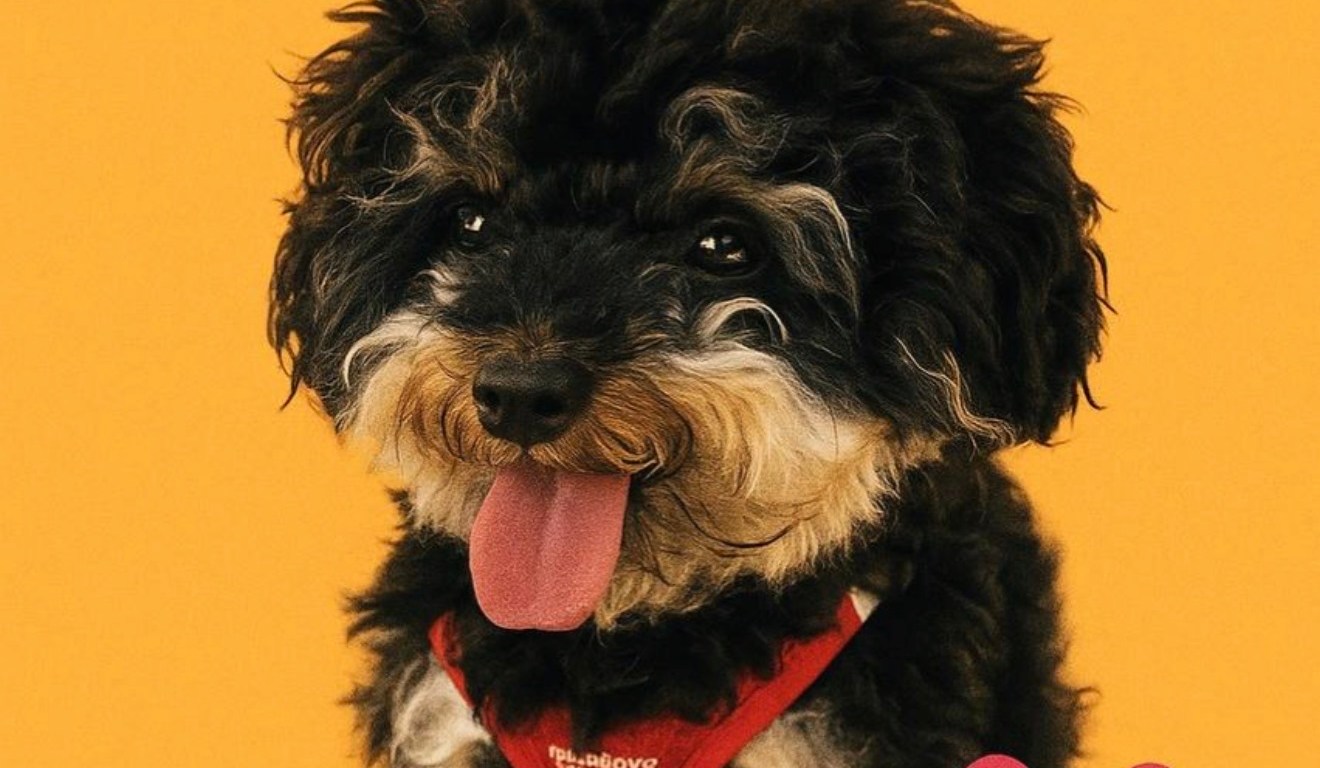
Safe socialization helps small dogs build confidence around new people, dogs, sounds, and places. The goal is not to make every pup greet everyone. The goal is to help your dog feel secure enough to observe, choose, and recover in a busy Austin environment.
Begin with short introductions and plenty of distance. Reward calm behavior, watch for signs of stress, and leave before your dog becomes overwhelmed. Consistent, positive experiences create better manners and stronger trust between you and your dog.

Small dogs occupy a distinct position in urban life. Their size makes them both more portable and more vulnerable. In a city like Austin, where outdoor patios, trails, and neighborhood gatherings form the rhythm of daily existence, a ten-pound dog encounters the same stimuli as a sixty-pound one yet processes them from a lower vantage point and with fewer physical defenses. The difference is not merely physical; it shapes how confidence develops, how stress accumulates, and how recovery occurs.
Socialization, properly understood, is not a race toward friendliness. It is the gradual expansion of a dog’s comfort zone so that novelty becomes manageable rather than alarming. For small dogs, the stakes are higher. An overstimulated Chihuahua or Maltipoo may freeze, bark defensively, or shut down in ways that owners sometimes misread as “stubbornness” or “aggression.” In reality, these are often signals of a nervous system that has exceeded its current capacity. When those signals are ignored or overridden, the dog learns that the world is unpredictable and that its own communication is ineffective. The result is a cycle of heightened vigilance that becomes harder to reverse with age.

Austin amplifies both the opportunity and the risk. The city’s mild climate keeps dogs outdoors year-round. Patios fill with conversation, music, and the movement of other animals. Sidewalks carry scooters, strollers, and sudden groups of people. A well-timed exposure in these settings can teach a small dog that distant activity is background rather than threat. A poorly timed one can reinforce the opposite lesson. The distinction lies in dosage, distance, and the owner’s willingness to end the encounter while the dog is still recovering successfully.
Effective work begins with observation rather than interaction. Place the dog at a distance where it can notice a new person or dog without reacting. Mark and reward any calm choice looking away, sniffing the ground, remaining seated. Only when the dog can sustain that calm for several minutes does it make sense to close the gap slightly. The same principle applies to sounds and surfaces. A distant leaf blower or the clatter of a patio chair becomes useful training material when the dog is free to process it without pressure to approach or perform.

Stress signals in small dogs are often subtle: a closed mouth, repeated licking of the lips, a sudden freeze, or a shift of weight onto the hind legs as if preparing to flee. Larger dogs may display more dramatic warning signs; smaller ones frequently compress those signs into quieter forms. Learning to read them accurately is the foundation of responsible socialization. Leaving the environment the moment those signals appear is not a failure. It is the most reliable way to preserve the dog’s trust that its owner will protect its threshold.
Progress is measured in recovery, not in greetings. A dog that notices another dog across a patio, glances briefly, then returns to resting at its owner’s feet has succeeded. A dog that lunges or barks has simply reached the edge of its current capacity. The former experience strengthens the dog’s internal regulation; the latter risks eroding it. Over time, consistent, low-pressure exposures expand that capacity without forcing the dog into performances it cannot yet sustain.
Common missteps include prolonged sessions that leave the dog exhausted, forced greetings that ignore body language, and the assumption that every small dog must become a social butterfly. Some dogs prefer to observe from a secure position. That preference is not a deficit. It is information. Honoring it produces a more reliable companion than overriding it in the name of “socialization.”
The practical outcome of careful work is visible in everyday Austin settings. A small dog that can settle under a patio table while people pass nearby is safer and more welcome than one that remains on high alert. The same dog is easier to travel with, more confident on neighborhood walks, and better equipped to recover from unexpected encounters. The trust that develops between owner and dog becomes reciprocal: the dog learns that the owner will not place it in situations it cannot handle; the owner learns to read the dog’s limits accurately.

Who am I? I’m Yenis Monterrey, Pack Leader and founder of ATX Small Dogs in Austin, Texas. Since launching in January 2025, I’ve shaped the community around a simple principle: small dogs and their people thrive when their environment is designed with their unique needs and scale in mind. The result is a welcoming gathering place where preparation, patience, responsible ownership, and genuine connection matter more than performance. Details about membership, upcoming events, and collaboration opportunities can be found at atxsmalldogs.com.


 VIP Discoveries